
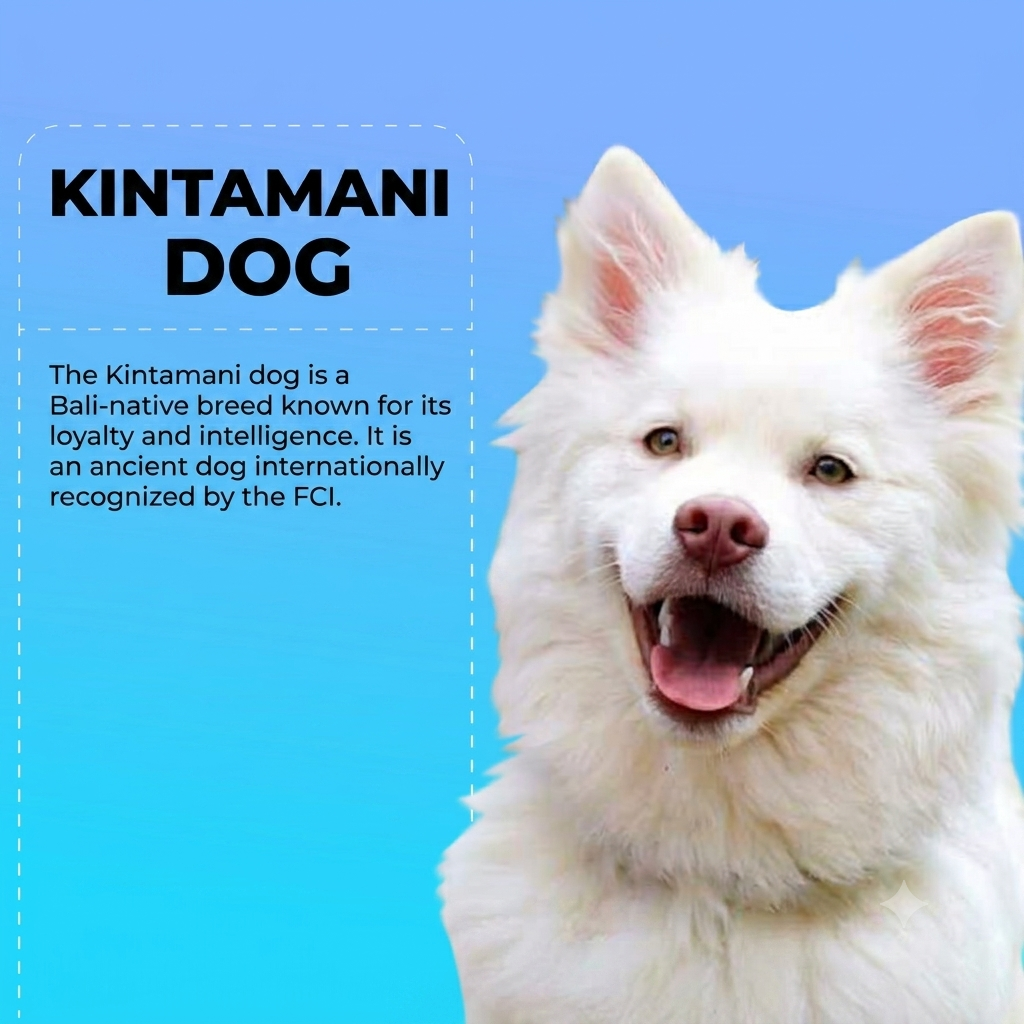
Kintamani Dog: The Loyal Indonesian Breed from Bali – The Kintamani dog is a distinctive breed that hails from the volcanic region of Kintamani on the island of Bali, Indonesia. Recognized for its striking appearance and loyalty, this breed has become a significant part of Indonesian culture. The origins of the Kintamani dog can be traced back several centuries, believed to be descendants of local dogs that were crossed with Chinese breeds brought to the region by traders. This intermingling of genetic heritage contributed to the unique traits seen in Kintamani dogs today.
Culturally, the Kintamani dog holds considerable importance in Bali. Historically, these dogs were kept in villages as companions and watchdogs, particularly by the indigenous Balinese people, who regarded them as symbols of fidelity and protection. Over the years, they have been celebrated in local folklore and art, further solidifying their status within Balinese tradition. Their presence extends beyond mere companionship; they have played a significant role in cultural events and rituals, showcasing their deep-rooted connection to the community.
Furthermore, the Kintamani dog serves as a reminder of the rich biodiversity found in Indonesia and the importance of preserving indigenous breeds. Their growth in popularity, both locally and internationally, emphasizes their appeal as a loyal family dog with a spirited personality. As a breed, Kintamani dogs are noted for their intelligence, making them highly trainable and adaptable. Their temperament is generally friendly, but they also possess a strong protective instinct, making them excellent guardians of their families.
Physical Characteristics and Appearance
The Kintamani dog, a unique breed native to Bali, is known for its harmonious blend of elegance and durability. This dog typically stands between 16 to 20 inches in height and weighs around 30 to 50 pounds, which positions it as a medium-sized breed. Its well-proportioned body exemplifies strength and agility, characteristics that reflect its adaptability to various environments.
One of the defining features of the Kintamani is its coat, which can be short or medium in length and is often double-layered. This double coat provides insulation, making the breed well-suited to various climates, particularly the warm, humid conditions of Bali. Coat colors range from white, cream, to shades of black, brindle, and even spotted variations. The diversity in color not only contributes to the dog’s aesthetic appeal but also aids in camouflage within its natural surroundings.
The breed is adorned with distinct features such as an elongated muzzle, erect ears, and a bushy tail that curls over its back, contributing to its striking appearance. Its expressive eyes convey intelligence and loyalty, characteristic traits of the Kintamani dog, further enhancing their allure as family members and companions.
As for their health and exercise requirements, Kintamani dogs thrive with regular physical activity. Daily walks and playtime allow them to release energy and maintain their physical health. Considering their body structure, it is advisable to monitor their exercise to ensure they do not overexert themselves, particularly in warmer weather conditions.
Temperament and Behavior
The Kintamani dog, a distinguished breed originating from Bali, is renowned for its loyalty and protective nature. As a companion animal, this breed exhibits a strong bond with its family, often displaying affectionate behavior towards family members. Kintamanis are known to be naturally wary of strangers, which enhances their role as vigilant guardians. Their intelligence is another hallmark of their temperament, enabling them to learn commands and tasks quickly when trained correctly.
When interacting with children, Kintamani dogs often show a gentle demeanor, making them suitable family pets. However, it is crucial to supervise their interactions, especially with younger children, as their protective instincts can sometimes result in overly cautious behavior. Additionally, these dogs exhibit compatibility with other pets, provided they are introduced thoughtfully. Socialization from a young age is paramount to ensure that they develop friendly relationships with other dogs and animals in the household.
The Kintamani dog thrives in an environment where they are engaged and actively involved in family activities. They are versatile and can serve multiple roles, including work and companionship. Their innate intelligence allows them to excel in various canine sports and obedience training, making training a rewarding experience. When training a Kintamani dog, consistency and positive reinforcement techniques are recommended. Encouraging play and providing mental stimulation will nurture their behavior and reinforce their loyalty.
In summary, the Kintamani dog exemplifies a combination of loyalty, intelligence, and a protective instinct that makes them an excellent family companion. With proper socialization and training, they not only become loving pets but also contribute meaningfully to the household dynamics, enriching the lives of those around them.
Caring for a Kintamani Dog
Caring for a Kintamani dog involves several key aspects to ensure the well-being and happiness of this loyal breed. First and foremost, a balanced diet is crucial. Kintamani dogs benefit from high-quality dog food that meets their nutritional needs, including a mix of proteins, carbohydrates, and fats. It is essential to tailor their diet according to their age, size, and activity level, as these factors directly influence their overall health. Depending on their lifestyle, Kintamani dogs may thrive on either commercial dog food or a well-planned raw food diet.
Regular grooming is also a vital part of caring for Kintamani dogs. Their coat, which can be either short or medium, requires periodic brushing to reduce shedding and prevent matting. Furthermore, owners should keep an eye on common areas that might harbor dirt and debris, like the ears and paws, and clean them regularly to maintain good hygiene.
Exercise is another important aspect of a Kintamani’s care. This breed is known for its energy levels and enjoys outdoor activities. Therefore, daily exercises such as leash walks, playtime in a secure yard, or engaging in dog sports are advisable. Aim for at least 1 to 2 hours of physical activity each day to keep your Kintamani dog mentally stimulated and physically fit.
Health care is equally essential. Regular veterinary check-ups, vaccinations, and parasite control will help prevent health issues as your dog ages. Additionally, since Kintamani dogs are relatively prone to specific health conditions, being informed about potential ailments can foster early detection and treatment.
Before bringing a Kintamani dog into your home, potential owners should assess their readiness to commit to the responsibility of caring for this breed. Understanding their exercise, grooming, and dietary needs is crucial for a successful and rewarding relationship with a Kintamani dog.