
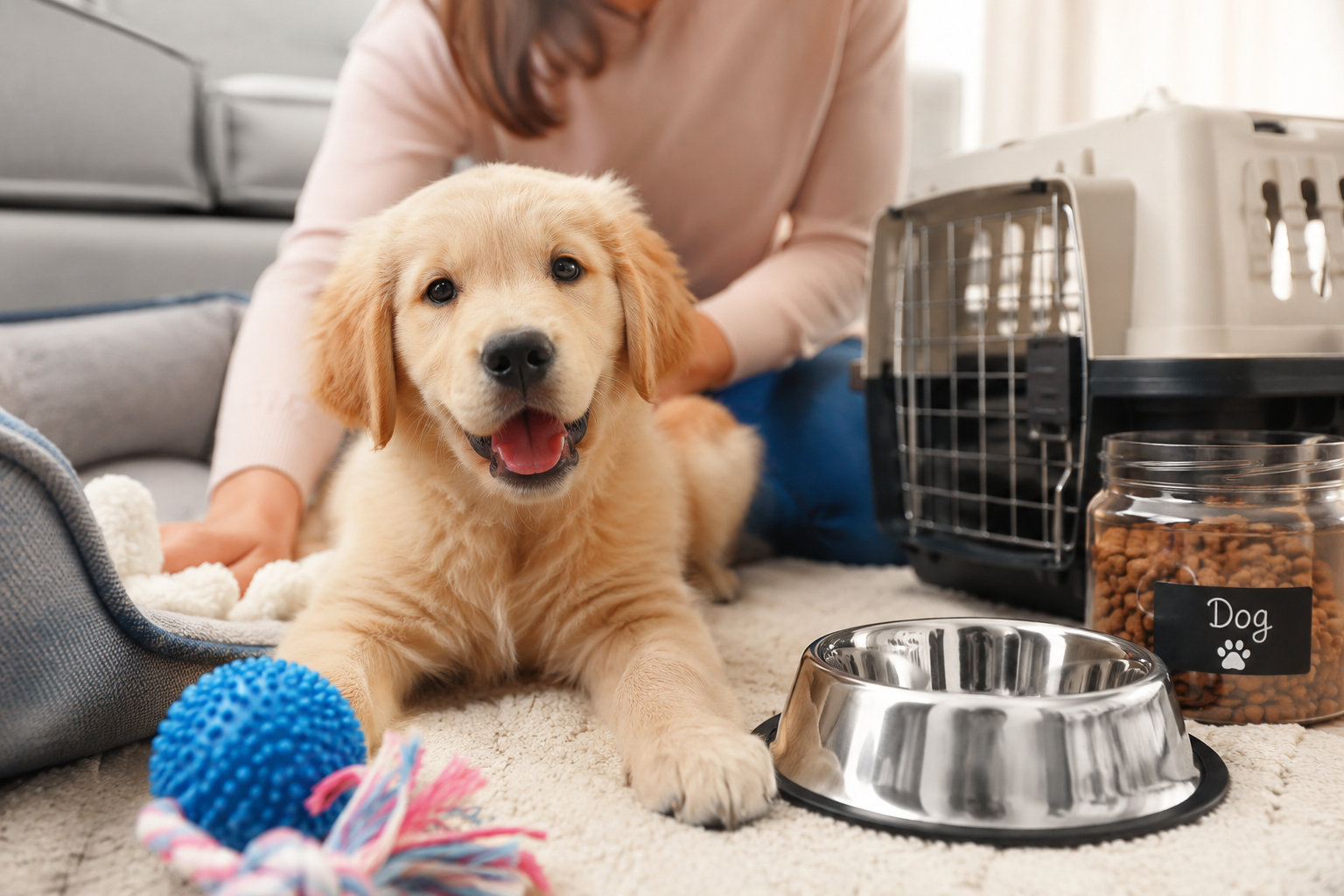
First Week with a New Puppy: Every New Owner Should Know – Bringing a new puppy into your home is an exciting experience, but it is crucial to prepare your living environment to ensure a safe and welcoming space for your furry friend. Dog-proofing your home involves removing potential hazards and creating an area where your puppy can explore safely. Start by examining your home for items that could be dangerous to a curious puppy. Common household hazards such as electrical cords, small objects that could be swallowed, and toxic plants should be addressed before your puppy arrives.
Furthermore, it is important to secure items that your puppy could chew on or knock over. This may involve removing breakable decorations and restricting access to certain rooms or areas using baby gates. A designated safe space will help your puppy understand where they can play and rest, which can also reduce anxiety during the adjustment period.
In addition to creating a safe space, setting up a comfortable area for your puppy to sleep and play is essential. This area should include a cozy bed or crate to provide security and a sense of belonging. Be sure to choose a suitable location that is quiet and free from disturbances. It’s also a good idea to gather essential supplies, such as food and water bowls, high-quality puppy food, toys that engage and entertain your new pet, and a leash for walks.
Preparing your home thoroughly will not only help your puppy feel more comfortable but will also make the transition smoother for both of you. By keeping your environment safe and equipping it with the necessary supplies, you lay the groundwork for a happy and healthy relationship with your new companion.
Establishing a Routine: Feeding and Bathroom Breaks
Puppies can greatly benefit from a structured routine, especially during their first week in a new home. Establishing a consistent schedule for feeding and bathroom breaks is crucial for their training and overall well-being. The frequency of feedings may vary depending on the puppy’s age. Generally, puppies younger than six months should be fed three to four times a day, while older puppies can transition to two meals a day. Choosing high-quality, age-appropriate puppy food is essential, as it provides the necessary nutrients for their growth and development.
When selecting food for a puppy, look for options that are specifically formulated for puppies, as they have different caloric and nutritional needs compared to adult dogs. Consult your veterinarian for recommendations on brands and types that suit your puppy’s breed and size to ensure optimal health. In addition to the type of food, consider the feeding method; portion control is important to prevent overeating and obesity. Keeping a regular feeding schedule will also help you anticipate bathroom breaks.
As a rule of thumb, puppies usually need to relieve themselves shortly after eating or drinking. Signs that indicate it’s time for a bathroom break include sniffing around, circling, or whining. To train your puppy effectively, take them outside consistently, especially after meals, naps, and playtime. Positive reinforcement, such as praises or treats, can encourage them to associate being outside with relieving themselves. If using potty pads, place them in a designated area and guide your puppy to use them initially, gradually phasing them out as they learn to go outdoors. This structured approach to feeding and bathroom breaks can lead to a smoother integration of your puppy into your home.
Socialization and Training Basics
The first week with a new puppy is essential for laying the foundations of their socialization and training. During this critical period, engaging your puppy with different people, pets, and environments is paramount. This exposure aids in preventing potential behavioral issues in the future; puppies that lack proper socialization may develop fears or aggression towards unfamiliar stimuli as they mature.
To effectively socialize your puppy, introduce them gradually to varied experiences. Take short trips to parks, busy streets, or even pet-friendly shops. Meeting different individuals, especially children and other dogs, can help your puppy acclimate to diverse social settings. Ensure these interactions are positive by keeping them brief and rewarding your puppy with praise or treats when they exhibit calm behavior. This process not only boosts their confidence but also fosters healthy social skills.
Alongside socialization, initiating basic training is crucial during the first week. Focus on fundamental commands such as ‘sit,’ ‘stay,’ and ‘come.’ These commands form the cornerstone of obedience and safety. Use positive reinforcement techniques when teaching these commands. For instance, rewarding your puppy with treats, toys, or verbal praise upon successfully following a command encourages repetition and strengthens your bond.
Engaging your puppy’s mind is equally important. Integrate activities like puzzle toys or simple games like fetch or hide-and-seek. These exercises not only provide physical activity but also stimulate cognitive function, leading to a well-rounded and balanced pet. Remember, the aim during this initial period is to create a positive learning environment where your puppy feels secure and eager to learn. By focusing on socialization and basic training, you cultivate a loving and obedient companion.
Health and Veterinary Care of Your New Puppy
As a new puppy owner, it is crucial to understand your puppy’s health needs and to establish a veterinary care routine. Regular veterinary visits are an essential part of responsible pet ownership, starting as soon as you bring your puppy home. The first visit will likely include vaccinations, which are vital for protecting your puppy from various infectious diseases such as parvovirus, distemper, and rabies. Typically, these vaccinations start at around six to eight weeks of age and continue until your puppy is about sixteen weeks old. Your veterinarian will create a vaccination schedule tailored to your puppy’s needs.
In addition to vaccinations, deworming is another critical aspect of your puppy’s health care. Puppies are often born with worms, so deworming treatment is necessary to eliminate these parasites. Your vet will recommend a deworming schedule, usually starting early in your puppy’s life and continuing a few times throughout their first year. It’s also important to consider spaying or neutering your puppy. This procedure can have several health benefits, including reducing the risk of certain cancers and preventing unwanted litters.
At home, monitoring your puppy’s health is also a key responsibility. Observing their behavior, eating habits, and energy levels will help you spot any abnormalities quickly. Common signs of illness can include lethargy, vomiting, diarrhea, and an unusual appetite. It is essential to distinguish between normal and abnormal behaviors in your puppy to ensure their well-being.
Preventing flea and tick infestations is another vital component of your puppy’s health management. These parasites can cause serious health issues, so consult your veterinarian about appropriate preventative measures, including topical treatments and collars. By staying proactive about your puppy’s health and veterinary care, you can help ensure they grow up healthy and happy.