
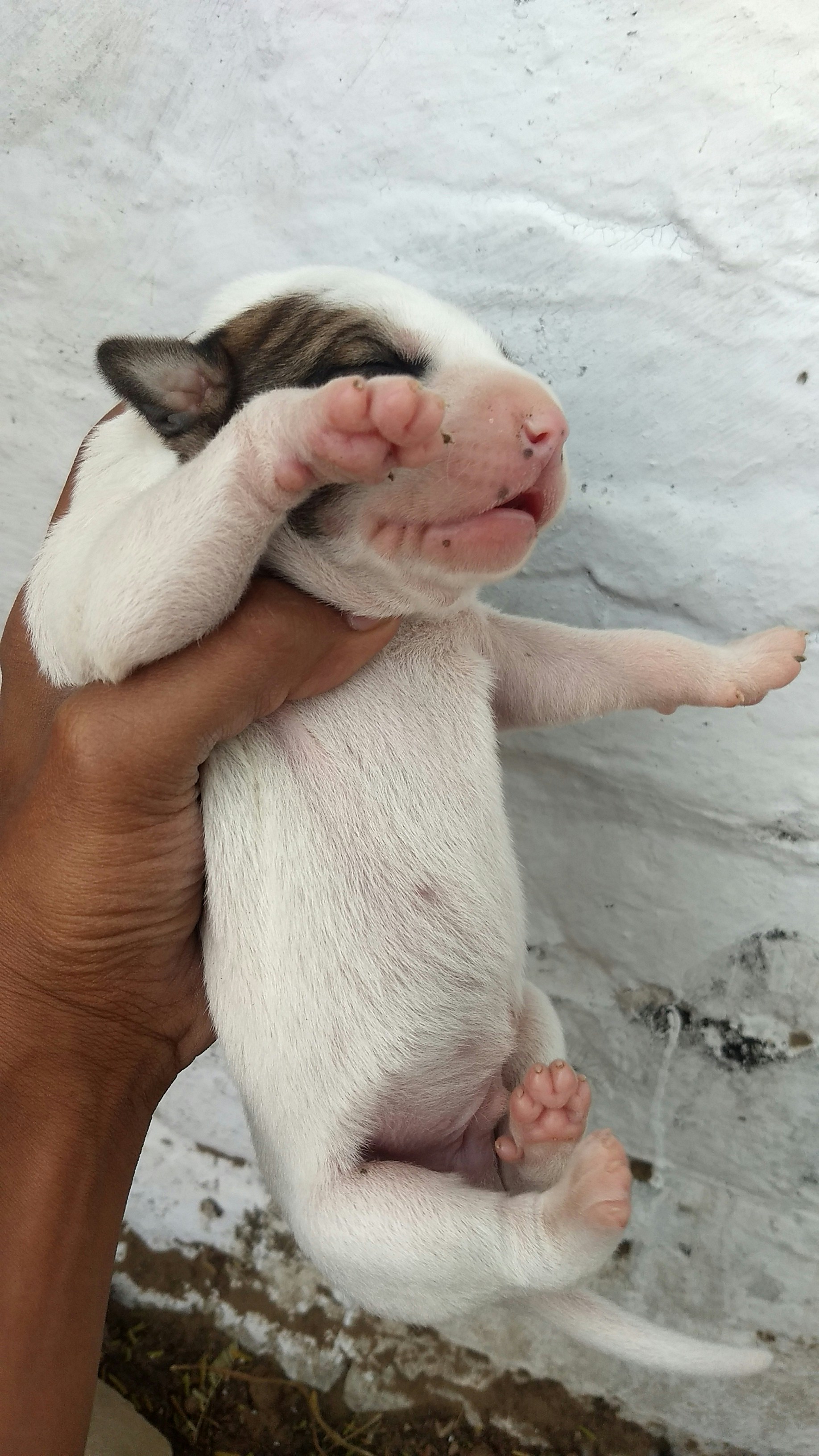
Understanding Your New Puppy
Welcoming a new puppy into your home is an exciting and transformative experience. However, it is crucial to understand that puppies undergo a series of developmental stages that significantly influence their behavior and needs. During the first few weeks of life, puppies are wholly reliant on their mother and littermates, focusing on essential interactions that help shape their social skills. By around eight weeks, they are typically ready to join their new families, marking the beginning of a critical socialization period.
Puppy development is generally divided into several stages: the neonatal stage (birth to two weeks), the transitional stage (two to four weeks), the socialization stage (four to twelve weeks), and the juvenile stage (three to six months). Each stage presents unique opportunities for bonding, training, and socialization which are vital for their overall development. For example, the socialization stage is especially pivotal. Exposing your puppy to various people, environments, and experiences helps them become well-adjusted adults.
Additionally, understanding breed characteristics is essential when caring for your puppy. Different breeds possess unique temperaments and energy levels that can affect their behavior and training methods. For instance, a herding breed might demonstrate a higher level of activity compared to a more laid-back companion breed. Recognizing these traits allows you to tailor your training techniques and set realistic expectations for your puppy’s behavior.
Furthermore, patience plays a significant role in this process. Puppies, like young children, are prone to accidents and mischief as they learn to navigate their environment. Building a strong bond through positive reinforcement and consistent training will yield the best results. Remember, every puppy is unique, so understanding and adapting to your new friend’s personality is essential for a harmonious relationship.
Nutrition Essentials for Puppies
Puppies experience rapid growth and development, which makes proper nutrition paramount during their formative months. This stage of their life requires a high-quality puppy food that is specially formulated to meet their unique dietary needs. Puppy food typically contains higher levels of protein and fat than adult dog food, all of which are essential for supporting muscle development, bone growth, and overall energy levels.
To properly nourish a puppy, it is essential to adhere to a structured feeding schedule. Younger puppies may need to be fed three to four times a day, while older puppies can transition to two meals daily as they approach adulthood. The frequency of feeding not only helps in providing consistent energy levels throughout the day but also aids in establishing a routine that influences their behavioral patterns.
Portion sizes are equally crucial. Most pet food brands offer guidelines on the packaging that help owners determine how much food their puppies should receive based on their weight and age. However, monitoring a puppy’s growth and adjusting portion sizes accordingly can prevent obesity or undernourishment. Regular visits to the veterinarian also provide valuable insights into whether dietary adjustments are necessary as the puppy matures.
Hydration plays a significant role in a puppy’s well-being. Fresh, clean water should always be available and regularly replenished. Puppies are playful and energetic, and adequate hydration is essential to facilitate their activity levels and overall health. Additionally, tips for transitioning from puppy food to adult food are important for owners to consider; this usually occurs around 12 months of age. Gradually mixing adult food with puppy food over a week or two helps in preventing digestive disruptions.
Vaccinations and Preventive Care
Ensuring a healthy start for your puppy requires a commitment to vaccinations and preventive care. Vaccinations play a crucial role in protecting puppies from various contagious diseases, some of which can be severe or even fatal if left unchecked. Core vaccinations typically include Distemper, Parvovirus, Adenovirus, and Rabies. Other vaccines, often referred to as non-core, may be recommended based on your puppy’s lifestyle and environment, including Bordetella (commonly known as kennel cough) and Leptospirosis.
The vaccination schedule for puppies generally begins at six to eight weeks of age and continues every three to four weeks until the puppy is about 16 weeks old. The exact timing and combination of vaccines can vary, so it is essential to consult with your veterinarian to devise a tailored vaccination plan for your puppy. Regular veterinary visits not only ensure timely vaccinations but also help in monitoring your puppy’s general growth and health.
In addition to vaccinations, preventive care measures such as deworming and flea/tick prevention are vital components of puppy care. Puppies are susceptible to intestinal parasites, and it is recommended to start deworming at two weeks of age, repeating every two weeks until about three months of age. After this initial period, fecal examinations can help guide additional deworming based on your puppy’s risk exposure.
Flea and tick prevention should be started early, as these parasites can lead to various health issues, including skin infections and transmission of diseases. Speak with your veterinarian to determine the best preventive products and strategies suitable for your puppy’s age and health condition. Regular veterinary check-ups are the backbone of preventive care, allowing for the monitoring of your puppy’s health and the adjustment of their care plan as they grow.
Grooming Your Puppy
Establishing a grooming routine for your puppy is essential for their well-being and helps foster a strong bond between pet and owner. Proper grooming can vary significantly depending on the breed, as various dogs exhibit different coat types and grooming needs. Regardless of breed, some fundamental grooming practices apply universally.
Brushing is a key component of grooming that not only keeps your puppy’s coat healthy but also reduces shedding and tangles. Short-haired breeds generally require less frequent brushing than long-haired ones, who can benefit from daily brushing to prevent matting. When introducing brushing to your puppy, use gentle strokes and praise them to create a positive experience, which can ease future grooming sessions.
Bathing dogs should occur on an as-needed basis since excessive washing can strip natural oils from their coat. Water temperature and shampoo choice are crucial; use lukewarm water and select a shampoo formulated specifically for puppies to avoid skin irritation. While bathing, ensure that your puppy is comfortable and always rinse thoroughly to avoid residue buildup.
Nail trimming is another vital aspect of grooming, as overgrown nails can lead to discomfort and mobility issues. A general rule is to check your puppy’s nails every few weeks and trim them when they begin to touch the ground. If you’re unsure about the process, consulting your veterinarian or a professional groomer is advisable.
Dental care is also essential in early puppy grooming. Regular teeth brushing with a toothpaste designed for dogs can help prevent dental diseases, ensuring your puppy’s mouth remains healthy. Introducing dental care early can make it easier for your puppy to accept dental hygiene practices in the long run.
Overall, establishing a consistent grooming routine, tailored to your puppy’s specific breed and needs, is paramount. Early grooming experiences can significantly reduce anxiety around these tasks as the puppy matures, thus promoting a happy and healthy lifestyle.
Training Basics for Puppies
Training your puppy is crucial for fostering desirable behavior and ensuring a strong bond between you and your pet. Two fundamental aspects of early training include house training and crate training, which help establish routines and boundaries. House training, or potty training, involves teaching your puppy where it is acceptable to relieve itself. Consistency is key; taking your puppy outside at regular intervals, especially after meals and naps, reinforces appropriate bathroom habits. Accidents are a part of the process, and patience is essential as your puppy learns the routine.
Crate training can be beneficial, providing a safe and secure environment for your puppy. A crate serves as a personal space, helping to prevent destructive behavior when you cannot supervise your puppy directly. When introduced correctly, a crate can become a place for your puppy to retreat and relax. Always ensure the crate is comfortable and never use it as a form of punishment. Start by encouraging your puppy to enter willingly, using treats or toys, and gradually increase the duration they spend inside.
In addition to house and crate training, teaching basic commands is an essential part of your puppy’s education. Commands such as “sit,” “stay,” and “come” create a foundation for further training and enhance communication between you and your puppy. Positive reinforcement techniques, such as rewarding good behavior with treats, praise, or playtime, are effective ways to motivate your puppy to learn. By establishing clear expectations and consistently rewarding progress, you will nurture a well-behaved companion.
Effective puppy training requires a commitment to consistency and patience. The process may take time, but the results will be rewarding. Engaging in regular training sessions and establishing a routine will solidify your puppy’s learning and foster a harmonious relationship.
Understanding Puppy Behavior and Development
Puppies are known for their exuberance and curiosity, which manifest in various behaviors that are essential for their growth and development. Understanding these behaviors is crucial for any new puppy owner. Common behaviors include chewing, barking, and biting, which can sometimes raise concerns but are part of the normal learning process.
Chewing is a natural instinct for puppies, as they explore their environment with their mouths. However, it is important to guide this behavior toward appropriate items, such as chew toys. Providing safe alternatives can deter them from chewing on furniture or shoes. Encouraging good chewing habits can also reinforce positive behavior and strengthen the bond between you and your puppy.
Barking is another typical behavior that serves multiple purposes, ranging from playful communication to alerting their owners of potential intruders. It is essential to discern the reasons behind your puppy’s barking. When puppies bark for attention or out of boredom, it is advisable to redirect their energy into play or training activities, which can help mitigate excessive noise and provide a mental outlet.
Puppies may also exhibit biting behavior during play, often due to teething or excitement. It is vital to teach your puppy bite inhibition early on by encouraging gentle play. If a puppy bites too hard, a firm “no” followed by a withdrawal from play can teach them the boundaries of acceptable behavior.
Throughout your puppy’s early months, you will witness various behavioral milestones that should be noted. Socialization with other dogs and people is paramount, as it lays the foundation for their temperament as they grow. During this time, positive reinforcement training techniques are effective in addressing any problematic behaviors, turning potential issues into learning opportunities.
Exercise and Playtime for Puppies
Exercise and playtime are vital components of a puppy’s healthy development. Just like humans, puppies require physical activity not only to maintain a healthy weight but also to stimulate their growing minds and socialize effectively. Engaging in regular exercise is particularly important as it helps develop strong muscles and bones, improves coordination, and promotes overall behavioral health.
Exercise needs can significantly vary based on a puppy’s age, breed, and individual temperament. For instance, younger puppies have shorter bursts of energy and require shorter exercise sessions, typically around 5 minutes of activity per month of age, up to a maximum of 30 minutes per session for older puppies. On the other hand, larger breeds may need more structured exercises to curb energy levels while smaller breeds may thrive on less strenuous activities.
To ensure that your puppy gets appropriate physical activity, consider incorporating a variety of engaging and safe play activities into their routine. Simple games like fetch, tug-of-war, or hide-and-seek can provide both exercise and fun while strengthening the bond between you and your puppy. Additionally, introducing agility courses using safe obstacles can be beneficial for promoting coordination and confidence.
It is essential to monitor your puppy during play and exercise to prevent overexertion, which can lead to injuries. Puppies should have access to fresh water and appropriately structured play times. Regularly scheduled outdoor walks not only provide exercise but also expose puppies to new environments, sounds, and other dogs, assisting in their socialization process.
Ultimately, prioritizing exercise and playtime for your puppy fosters not only their physical health but also their emotional wellbeing. By understanding their unique needs based on age and breed, you can ensure a happy and healthy start for your furry companion.
Socialization: A Crucial Element
Socialization is a vital aspect of puppy care that significantly influences your dog’s development, behavior, and temperament. During the formative weeks, puppies are particularly receptive to new experiences, making this an optimal period for socialization. Proper introduction to various stimuli, including people, environments, and other animals, can ensure a well-adjusted and confident adult dog.
There are several types of socialization that should be considered. The first involves exposure to a variety of people, sizes, and backgrounds. A well-socialized puppy will behave confidently in diverse situations, reducing the likelihood of fear or aggression towards strangers in adulthood. Secondly, acclimatizing your puppy to different environments—be it busy streets, parks, or homes—enriches their experiences and builds adaptability. Thirdly, interactions with other dogs and pets can help them learn appropriate behavior through observation and play.
To effectively introduce your puppy to new experiences, gradual exposure is key. Start with less overwhelming environments and slowly expose your puppy to more challenging situations as they build confidence. Utilize positive reinforcement, such as treats and praise, to encourage brave responses and reduce anxiety. Puppy classes are also beneficial, offering structured environments for learning social skills and improving obedience.
Incorporate varied experiences into your puppy’s routine: car rides, trips to pet-friendly stores, or brief visits with friends who have dogs. However, always monitor interactions and ensure they are positive. The goal is to create a well-rounded canine companion who can thrive in multiple settings.
Socialization not only enhances behavioral development but also strengthens the bond between you and your puppy. Prioritizing these formative experiences can lead to a happier, more confident dog, fully equipped to engage with the world around them.
Health Care, Safety, and Common Mistakes to Avoid
Ensuring the well-being of your new puppy encompasses several key aspects, including regular health care, creating a safe home environment, and being aware of common pitfalls that can arise during puppy ownership.
Routine veterinary check-ups are essential in maintaining your puppy’s health. Vaccinations protect against various diseases, while regular parasite control keeps your furry friend safe from fleas, ticks, and worms. Additionally, you should discuss spaying or neutering options with your veterinarian, as this can alleviate unwanted behavior and help prevent health issues later in life.
Creating a safe home environment is equally vital. Puppies are naturally curious, often leading them to chew on items they shouldn’t. To mitigate this risk, introduce puppy-proofing measures such as securing electrical cords, removing small items that could be ingested, and using pet gates to restrict access to unsafe areas. Besides physical safety, consider the emotional well-being of your puppy. Ensure they have a quiet, comfortable space to retreat when they feel overwhelmed or tired.
It is also important to educate yourself about the common mistakes that new puppy owners make. One prevalent issue is overindulging your puppy with treats, which can lead to obesity and related health problems. Instead, focus on a balanced diet, following guidelines provided by your veterinarian. Additionally, many owners fail to establish consistent training routines, which can result in behavioral issues down the line. Early socialization and positive reinforcement training techniques are critical for developing a well-adjusted dog.
In conclusion, being proactive about health care, ensuring a safe living environment, and avoiding common mistakes are essential steps in promoting a happy, healthy life for your new puppy. Equip yourself with knowledge and preparation to navigate the challenges of puppy ownership effectively.