
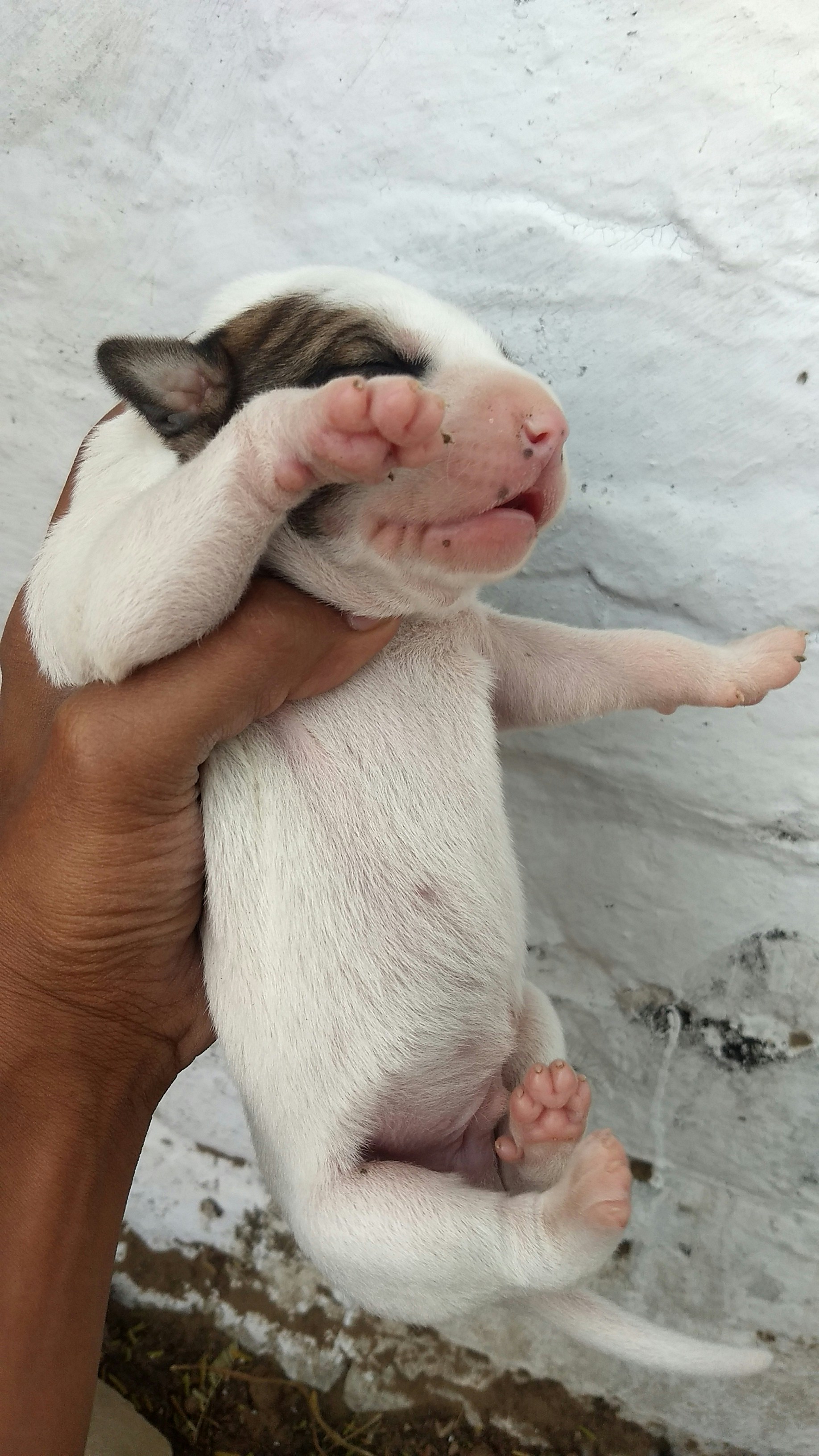
Understanding Puppy Nutrition
Proper nutrition is vital for the overall health and development of puppies. A balanced diet fulfills the essential dietary needs that young canines have, aiding in their growth and supporting their immune system. It is important for pet owners to select high-quality puppy food that meets the specific nutritional requirements appropriate for the breed and size of the dog.
High-quality puppy food should contain the right balance of proteins, fats, vitamins, and minerals. Proteins are essential for muscle development, while fats provide energy and contribute to a healthy coat and skin. Additionally, minerals like calcium and phosphorus are necessary for strong bone development. Choosing food formulated specifically for puppies ensures that they receive necessary nutrients in sufficient amounts to support their rapid growth.
Portion sizes play a crucial role in puppy nutrition. The amount of food a puppy requires varies based on their age, weight, and energy level. It is advisable to follow the feeding guidelines provided on the food packaging as a starting point and adjust portions according to the puppy’s individual needs. Overfeeding can lead to obesity, while underfeeding may hinder a puppy’s growth and development.
Feeding schedules also should be consistent. Puppies typically need to eat three to four times a day, divided into smaller meals to assist with digestion. As they grow, the number of feedings can be gradually reduced to twice a day once they reach adulthood.
Additionally, some breeds may have unique dietary needs or considerations. For instance, large breed puppies require a diet formulated to support slower growth patterns, while smaller breeds might need more calorie-dense food. Consulting with a veterinarian can help ensure that the chosen puppy food meets individual needs and supports their healthy development.
Vaccinations and Preventative Care
Puppy vaccinations are a crucial component of canine healthcare, essential for safeguarding your new pet’s health against various diseases. The vaccination schedule generally begins around six to eight weeks of age and is typically completed by the time the puppy reaches 16 weeks. Core vaccinations include Parvovirus, Distemper, Hepatitis, and Rabies, all of which are vital for protecting puppies from potentially life-threatening conditions. Non-core vaccinations, such as Bordetella and Lyme disease vaccines, may also be recommended based on your puppy’s lifestyle and risk exposure. It’s crucial to consult with your veterinarian to create a tailored vaccination plan that suits your puppy’s individual needs.
In addition to vaccinations, preventative care measures should not be overlooked. Regular deworming is often necessary, as puppies are susceptible to intestinal parasites which can adversely affect their growth and development. Most veterinarians recommend deworming treatments beginning as early as two weeks of age, followed up by a vaccination schedule.
Flea and tick prevention is another essential aspect of puppy care. Fleas and ticks can transmit diseases and cause serious discomfort or health issues. There are several preventive products available, including topical treatments, chewable tablets, and collars, but it is vital to select a method appropriate for your puppy’s age and health status. Your veterinarian can provide guidance on the most effective prevention strategies.
Regular vet check-ups are fundamental in maintaining your puppy’s overall health. These visits allow for a thorough examination, the opportunity to assess growth and behavior, and support any additional vaccinations or treatments needed. Establishing a solid relationship with a veterinarian will ensure timely interventions that contribute to your puppy’s long-term health and well-being.
Basic Training Techniques
Training a puppy is an essential step in ensuring a well-behaved and happy companion. The fundamentals of puppy training revolve around establishing a strong foundation with house training, basic commands, and social behaviors. By implementing effective techniques, you will set your puppy up for success in adapting to his or her new environment.
The first step toward successful training is house training. This involves teaching your puppy to relieve itself outside rather than indoors. To begin this process, establish a routine by taking your puppy outside frequently, particularly after meals, playtime, or upon waking. When your puppy eliminates outside, be sure to offer praise and treats to reinforce this positive behavior. Conversely, if an accident occurs indoors, remain calm and clean the area thoroughly without punishment, as this could instill fear or confusion.
In addition to house training, basic commands form the backbone of puppy education. Commands such as “sit,” “stay,” “come,” and “down” are fundamental. Start with simple commands; for instance, to teach “sit,” hold a treat above your puppy’s nose and slowly move it back. As your puppy follows the treat with their eyes, they will naturally lower their hindquarters. Once they sit, immediately reward them with the treat and praise. Remember to be consistent and patient; repetition is crucial in helping your puppy learn these commands.
Socialization is another vital component of puppy training. Expose your puppy to various environments, people, and other dogs to develop their social skills. Early and positive experiences will lead to a more well-adjusted adult dog. Additionally, maintaining a calm, assertive demeanor during interactions will help your puppy feel secure.
In conclusion, by employing basic training techniques such as house training, teaching commands, and socialization, you can effectively guide your puppy toward becoming a well-behaved member of your household. Consistency and positive reinforcement are paramount in this process, ensuring a happy and harmonious relationship between you and your puppy.
Grooming Essentials for Puppies
Establishing a grooming routine is a fundamental aspect of puppy care that contributes to the overall health and wellbeing of your furry companion. Puppies, like all pets, require regular grooming, which encompasses bathing, brushing, nail clipping, and dental care. Understanding the grooming needs of your puppy is essential for their comfort and hygiene.
Bathing is often the first step in grooming a puppy. It is recommended to start bathing your puppy as soon as they are old enough, usually around six weeks of age. Using a gentle, puppy-specific shampoo helps to maintain the natural oils in their skin while effectively cleaning. Bathing frequency can vary by breed, but generally, a bath every month is suitable for most puppies unless they become particularly dirty.
Brushing your puppy’s coat is another critical grooming task that should be done regularly. The frequency of brushing depends on the coat type; long-haired breeds may require daily brushing to prevent matting, whereas short-haired breeds may only need it weekly. Establishing a habit of brushing not only helps maintain cleanliness but also serves as a bonding experience between you and your puppy.
Nail clipping is an often-overlooked part of puppy grooming, but it is essential for preventing painful overgrowth. Regular clipping—ideally once a month—ensures that your puppy’s nails do not become too long, which can lead to discomfort and injury. Acquiring a good quality clipper designed for small dogs will aid in making the process efficient and anxiety-free.
Additionally, dental care is vital for a puppy’s overall health. It is recommended to introduce teeth brushing from a young age. Using a toothpaste designed for dogs can help prevent tartar buildup and keep your puppy’s teeth clean. Regular dental check-ups with a veterinarian will also aid in maintaining optimal oral health.
In crafting an effective grooming routine, it is important to select the right tools that cater to your puppy’s specific needs. Research the appropriate brushes, clippers, and dental aids that suit your puppy’s breed and coat type. A consistent grooming routine not only enhances your puppy’s appearance but also contributes significantly to their health.
The Importance of Socialization
Socialization is a crucial aspect of puppy care that can significantly influence a dog’s behavior and temperament throughout its life. Early exposure to a variety of environments, people, and other animals helps puppies develop essential social skills and reduces the likelihood of behavioral problems later on. Proper socialization allows puppies to become well-adjusted adults, confident in various situations, and less prone to fear or aggression towards unfamiliar stimuli.
The critical window for socialization occurs during the first few months of a puppy’s life—typically between 3 to 14 weeks. During this period, puppies are more receptive to new experiences. It is vital to gradually introduce them to diverse situations, including outdoor settings, car rides, and all types of people and animals. This exposure helps them learn how to interact positively and appropriately, setting a foundation for future behavior.
One effective method for enhancing puppy socialization is through organized puppy classes. These classes not only provide a controlled environment for interactions with other puppies but also include guidance from professional trainers, who can offer valuable insights into behavioral cues and social dynamics. Moreover, these classes often incorporate different sounds, textures, and experiences that further enrich a puppy’s exposure. The sense of community fostered in these settings helps build a dog’s comfort level with various social scenarios.
It is essential to approach the socialization process with sensitivity, ensuring that each encounter is positive. Puppies that face negative experiences or overwhelming situations may develop fear or anxiety around certain stimuli. Therefore, a gradual and measured approach to socialization is key. Incorporating everyday life experiences from a young age will not only assist in preventing behavioral issues but also strengthen the bond between the puppy and its owner.
Exercise and Playtime Activities
Regular exercise is crucial for puppies as it significantly contributes to their physical and mental development. Adequate physical activity helps prevent obesity, strengthens muscles, improves coordination, and promotes healthy joints. Moreover, engaging your puppy in playful activities fosters emotional well-being, reduces anxiety, and curbs destructive behaviors that may arise from boredom.
When considering exercise routines, it is essential to account for the age and breed of your puppy. For instance, younger puppies may only require short sessions of around 15 to 20 minutes two to three times a day. These sessions should include gentle play and socialization to prevent overexertion, which can be harmful. In contrast, older puppies typically require longer and more structured exercise, often ranging from 30 minutes to an hour each day, depending on their energy levels and breed characteristics.
In terms of playtime activities, interactive games such as fetch, tug-of-war, and hide-and-seek not only provide physical stimulation but also assist in establishing a bond between the puppy and owner. Additionally, employing puzzle toys that challenge their minds can be equally beneficial. Such toys encourage cognitive development while ensuring that the puppy remains entertained and mentally stimulated.
Furthermore, safe outdoor exploration is vital for a puppy’s growth. While on walks, allow your puppy to experience new sights and smells, which can enhance their sensory development. However, it is essential to start in controlled environments to avoid overwhelming them. Always keep your puppy on a leash until they are adequately trained to navigate areas with potential distractions.
In summary, incorporating regular exercise and engaging playtime activities is integral to a puppy’s overall health and happiness. Tailoring these activities to suit the individual dog’s needs will enhance their quality of life and ensure they grow into well-adjusted adult dogs.
Health Care and Regular Checkups
Establishing a comprehensive health care plan is fundamental for the well-being of your puppy. Just like humans, puppies require regular medical attention to ensure they thrive during their formative years. One of the first steps in this direction is to find a qualified veterinarian who can provide ongoing care. Building a good relationship with your veterinarian enables open communication and creates a comfortable environment for your puppy during visits.
Regular health checkups are crucial as they help to monitor the puppy’s growth, nutrition, and overall health. These checkups typically include vaccinations, parasite control, and dental care advice. Vaccinations protect your puppy from various infectious diseases, while regular deworming ensures that they remain free from intestinal parasites. Your veterinarian can establish a schedule best suited for your puppy, depending on its breed and health considerations.
Additionally, as a responsible puppy owner, it is essential to be observant regarding any changes in your puppy’s behavior or health. Monitoring for signs of illness, such as changes in appetite, lethargy, or unusual behavior, can be vital in catching potential health issues early. Common health problems in puppies include ear infections, skin allergies, and dental diseases. Being aware of these conditions and addressing them promptly can lead to better health outcomes.
In summary, the ongoing health care and regular checkups for your puppy cannot be overstated. By establishing a good relationship with a veterinarian and being vigilant about your puppy’s health, you can ensure that your furry friend lives a happy and healthy life. Investing in your puppy’s health care is, undoubtedly, a rewarding experience that will yield benefits for years to come.
Managing Behavioral Issues
Puppies are known for their energetic and curious nature, but this can sometimes lead to behavioral problems that pose challenges for new pet owners. Common issues include chewing, excessive barking, and anxiety. Understanding these behaviors is the first step to effectively managing them.
Chewing is a natural behavior in puppies, as they explore their environment with their mouths. However, it can become problematic when they target furniture, shoes, or other household items. To manage this, provide appropriate chew toys that satisfy their needs while redirecting them away from prohibited objects. Positive reinforcement techniques can encourage them to use these toys instead.
Barking can also become a source of annoyance. Puppies may bark due to boredom, fear, or a need for attention. It is crucial to identify the cause of the barking. For instance, if it is due to boredom, regular exercise and mental stimulation through training or play can significantly reduce excessive barking. Additionally, teaching the “quiet” command can help them learn to control their barking when necessary.
Anxiety is another common issue among puppies, often manifesting as destructive behavior or excessive vocalization when left alone. To alleviate anxiety, create a safe and comforting space for your puppy, ensuring they have access to their favorite toys and bedding. Gradual desensitization to being alone can also be effective; begin with short departures and gradually increase the duration as they become more comfortable.
If behavioral problems persist despite these strategies, it may be beneficial to consult a professional dog trainer or veterinary behaviorist. Early intervention is critical, as it can foster healthier behaviors and strengthen the bond between you and your puppy. By understanding and addressing these common behavioral issues, puppies can grow into well-adjusted adult dogs.
Creating a Safe and Inviting Environment
Establishing a secure and welcoming living space for your puppy is essential to ensure their health and happiness. The first step in this process is to puppy-proof your home. This involves identifying and removing potential hazards that could harm your new pet. Common items that pose risks include electrical cords, small objects that can be swallowed, and toxic substances such as cleaning supplies or certain plants. An effective way to achieve this is by creating designated areas that have limited access to unsafe items, while ensuring your puppy has a safe space to explore.
In addition to removing hazards, it is crucial to provide comfortable resting areas for your puppy. Consider investing in a quality dog bed or a crate that can serve as a cozy retreat for your pet. Puppies need a designated space where they can sleep and feel secure. The resting area should be away from high-traffic zones to minimize disturbances, and adding a few toys will help make the area more inviting.
Creating a safe outdoor environment for your puppy is equally important. Ensure that your yard is fenced securely to prevent escapes and protect your puppy from potential dangers, such as traffic or wildlife. If you do not have a fenced space, consider using a leash or long line to safely supervise your puppy during outdoor playtime. Adding elements like puppy-friendly toys and shaded areas can further enhance their outdoor experience.
Furthermore, enriching your puppy’s environment is essential for their development. Providing stimulating toys, engaging activities, and opportunities for socialization will help them grow mentally and physically. By fostering a safe, comfortable, and enriching space, you will help your puppy thrive and feel at home.