
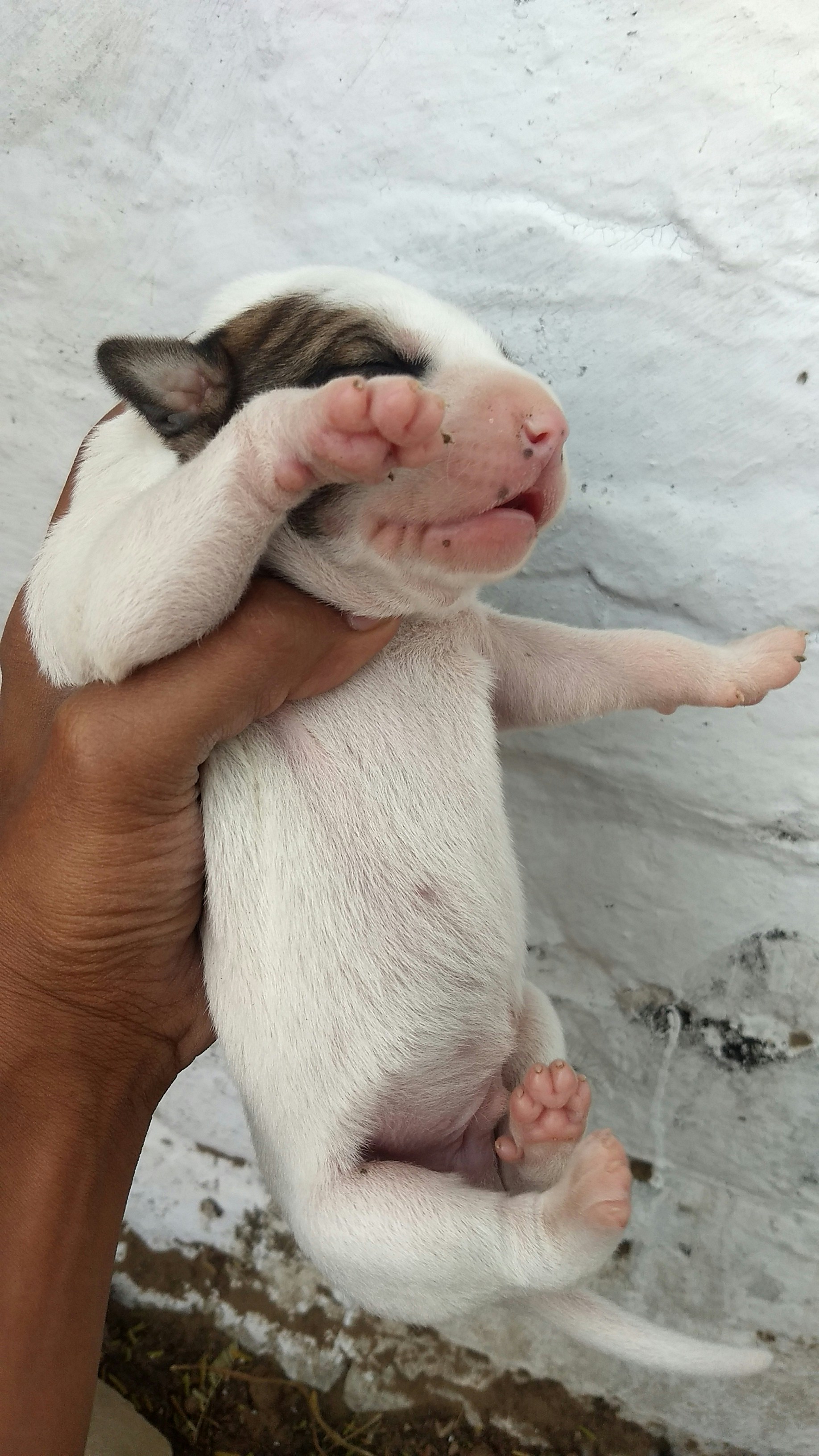
Introduction: The Journey of Puppy Parenthood
Raising a puppy is a rewarding yet challenging endeavor that invites a journey filled with discovery, commitment, and unwavering love. The initial joy of welcoming a puppy into your home is often accompanied by a myriad of responsibilities, as prospective pet owners must prepare to embark on a path that will shape not only the puppy’s life but also their own. Understanding the foundational aspects of puppy care is crucial, allowing owners to nurture a bond that will foster health and happiness.
Puppy parenthood encompasses several integral components, including socialization, training, nutrition, and health care. Each of these elements contributes to the holistic well-being of the growing dog, and owners must actively engage in learning about best practices from reputable sources. Knowledge in these areas equips pet owners to address challenges effectively and promote positive behaviors from a young age.
Moreover, the early months of a puppy’s life are critical for development. During this time, owners should prioritize establishing routines that incorporate training and socialization both at home and in larger community settings. These early experiences significantly influence a puppy’s temperament and adaptability as they mature into adult dogs.
Additionally, the importance of regular veterinary visits cannot be understated. Maintaining the health and happiness of a puppy begins with vaccinations, parasite prevention, and health screenings. This proactive approach fosters a foundation for lifelong health, allowing the puppy to thrive as they grow.
In summary, the journey of puppy parenthood is filled with both joys and challenges, highlighting the need for pet owners to be well-informed. By gaining knowledge about essential aspects of puppy care, individuals can embark on this fulfilling adventure equipped to nurture a healthy and happy canine companion. This guide will serve as a comprehensive resource to aid owners in navigating the essential stages of puppy care.
Puppy Health Care Essentials
Caring for a puppy involves understanding the key components of their health care, primarily focusing on regular veterinary check-ups, awareness of common health issues, and the importance of parasite control. These fundamentals play a vital role in ensuring your puppy’s well-being as they grow.
Regular veterinary check-ups are essential for any puppy. Initially, visits to the veterinarian will usually include vaccinations, which help protect them from various diseases. The veterinarian will also perform routine examinations to monitor your puppy’s growth and development. It is crucial to follow the vaccination schedule as recommended by your vet to ensure that your puppy remains healthy during their early stages of life.
Being aware of common health issues is another critical aspect of puppy health care. Puppies can be prone to a variety of conditions such as hip dysplasia, kennel cough, and parasitic infections. Owners should familiarize themselves with the symptoms of these conditions to enable early intervention and treatment. Regular monitoring of their health status can help in identifying any emerging concerns before they escalate.
Parasite control is also a fundamental part of maintaining puppy health. Fleas, ticks, and worms can pose serious threats to your puppy’s well-being. Regular deworming and flea and tick treatments ensure that your puppy remains protected from these harmful parasites. Consulting with your veterinarian will help you determine the best products and preventive measures suitable for your puppy.
Lastly, as your puppy grows, their health needs may change. Being proactive in adapting their health care regimen according to their age and lifestyle is essential. Keeping dialogue open with your veterinarian will ensure you stay informed regarding any health requirements specific to your puppy as they mature.
Nutrition: Feeding Your Puppy Right
Providing your puppy with the right nutrition is crucial for their growth, development, and overall well-being. Puppies have distinct dietary requirements compared to adult dogs, as they need a balanced diet to support their rapid growth and energy levels. It is essential to choose a high-quality puppy food that contains the appropriate nutrients, such as proteins, fats, carbohydrates, vitamins, and minerals. The ingredients list should indicate real meat as the primary source of protein, along with wholesome grains and vegetables to ensure optimal health.
The portion sizes and feeding schedules for your puppy should be carefully planned according to their age, size, and breed. Typically, young puppies require more frequent meals—about three to four times a day—while older puppies can transition to two meals daily within six months. Consulting with your veterinarian can help you determine the right portion sizes, as overfeeding can lead to obesity, while underfeeding can hamper their growth.
It is also essential to analyze the ingredients in puppy food. Look for formulations that meet the Association of American Feed Control Officials (AAFCO) standards, indicating that the food is nutritionally complete for growth. Avoid foods with artificial additives, fillers, or by-products, as these may not provide the necessary nutrients your puppy requires. Additionally, consider implementing some fresh, safe fruits and vegetables as occasional treats, allowing your puppy to enjoy a varied diet.
Taking the time to educate yourself about proper puppy nutrition will ensure that your pet is receiving the best possible start in life. A well-rounded diet, tailored to your puppy’s needs, will support their health and contribute to their happiness as they grow.
Vaccinations: Protecting Your Puppy
Vaccinations play a crucial role in safeguarding the health of your puppy, providing them with necessary immunity against various serious diseases. Understanding the vaccination schedule is essential for every puppy owner to ensure that their young companion remains healthy and protected. Typically, puppies begin their vaccination series between six to eight weeks of age, and it is critical to follow this timeline as vaccines help to bolster their immune systems at a vulnerable stage.
The core vaccines recommended for puppies commonly include rabies, distemper, parvovirus, and adenovirus. Rabies is a mandatory vaccination in many regions, given due to the severe consequences associated with this virus. Distemper, which affects the respiratory and nervous systems, parvovirus, known for causing severe gastrointestinal distress, and adenovirus, which can lead to liver disease, are also significant threats that vaccines help combat. These vaccinations not only protect your puppy but also contribute to overall community health by reducing the spread of these diseases.
It is essential to adhere to the recommended vaccination schedule, which usually outlines booster shots every few weeks until the puppy reaches about sixteen weeks old. After this initial series, annual boosters are typically advised to maintain immunity levels. Keeping updated vaccination records is a critical part of this process, as it allows you to track when your puppy received each vaccine and when the next ones are due. Additionally, it is beneficial when seeking boarding services or engaging with local puppy training classes, as many require proof of vaccinations. Regular communication with your veterinarian will help you stay on top of your puppy’s vaccination needs, ensuring they receive the protection they require for a healthy and happy life.
Training Basics: The Key to a Well-Behaved Dog
Training your puppy is a fundamental aspect of responsible pet ownership that contributes significantly to the development of a well-mannered dog. Effective training techniques encompass various elements, including obedience commands, potty training, and fostering social behavior. By implementing positive reinforcement strategies, you can encourage desirable behaviors and create a strong bond with your pet.
Obedience commands are crucial for establishing control and communication between you and your puppy. Fundamental commands such as “sit,” “stay,” “come,” and “down” should be introduced early during training sessions. Using treats or praise as rewards for successful responses to these commands can promote a positive learning environment. Consistency in practice is key; dogs learn best through repetition and routine. Ensure that all family members use the same commands and cues to avoid confusing your puppy.
Potty training is another important aspect of puppy care that requires patience and diligence. Start by establishing a regular schedule for bathroom breaks and choose a designated area for your puppy to relieve itself. When your puppy successfully uses the designated spot, it is crucial to offer immediate praise and rewards. Avoid punishment for accidents, as this can lead to anxiety and hinder the training process. Instead, focus on reinforcing positive behaviors to encourage your puppy to continue utilizing the correct area.
Socialization is vital for any puppy’s development. Gradually introduce your puppy to different environments, people, and other animals to help them become comfortable in various situations. This exposure will enhance their confidence and reduce the likelihood of behavioral issues in the future. By employing positive reinforcement and maintaining consistency in your training approach, you will lay the groundwork for a well-behaved and happy dog.
Socialization: Building Confident Dogs
The process of socialization is critical in the early development of puppies, shaping their future behavior and interactions with the world around them. This pivotal period typically occurs between three to fourteen weeks of age. During this time, it is essential to expose puppies to a variety of environments, sounds, people, and other animals to help them develop confidence and adaptability.
To foster well-adjusted adult dogs, gradual exposure to different stimuli is paramount. Start by introducing your puppy to various settings such as parks, streets, and local shops. Each new experience should be positive, reinforcing the idea that the world is a safe place. For example, bring treats and toys to create positive associations with new places. This method increases the likelihood of developing a friendly and confident disposition.
Supervised interactions with other dogs and different species are equally important. Attending puppy classes can offer structured socialization opportunities under the guidance of a trainer. This is an effective way to monitor interactions and ensure that experiences remain positive. Additionally, seek out friendly adult dogs who can model appropriate behaviors. Observing and interacting with well-mannered dogs can teach puppies essential social skills.
Furthermore, incorporating a variety of people into your puppy’s socialization routine is beneficial. Encourage diverse interactions by inviting friends, family, and neighbors to meet your puppy. When doing so, ensure these encounters are calm and enjoyable, as inappropriate or frightening experiences can lead to long-term fear or aggression. Positive exposure to different cultures and age groups will help your puppy become an adaptable and emotionally balanced adult dog.
In conclusion, socialization is a fundamental aspect of caring for your puppy. By strategically exposing them to varied environments and social settings, you will nurture confident and sociable adult dogs, equipped to thrive in diverse surroundings.
Grooming: Keeping Your Puppy Looking Great
Grooming is an essential aspect of puppy care, having a significant impact on both their health and appearance. Regular grooming helps to maintain a clean coat, free from tangles and dirt, and it can also prevent skin issues. Bathing your puppy with a mild dog shampoo keeps their fur looking vibrant while ensuring their skin remains healthy. It is advisable to bathe puppies only when necessary, usually every few months, or as recommended by a veterinarian, to avoid stripping their fur of natural oils.
Brushing is another critical grooming task that should not be overlooked. Depending on the breed, some puppies may require daily brushing while others may be fine with weekly sessions. Regularly brushing your puppy not only keeps their coat clean but also allows you to check for any skin irritations, parasites, or unusual lumps that may require veterinary attention. Additionally, brushing can be a bonding experience, helping to weave trust between you and your puppy.
Nail trimming is equally important; overgrown nails can lead to discomfort and mobility issues. It is recommended to trim your puppy’s nails every 3-4 weeks, or as needed, to keep them at a healthy length. If you notice your puppy is uneasy during this process, using positive reinforcement methods, such as treats and praise, can make nail trimming an easier experience.
Cleaning your puppy’s ears is another aspect of grooming that should not be neglected. Regular ear checks can prevent painful infections, particularly in breeds prone to ear problems. Use a damp cloth to gently clean around the outer ear, and always consult your veterinarian for guidance on the best practices for ear cleaning.
Finally, creating a positive grooming experience is key to reducing anxiety and discomfort for your puppy. Introduce grooming gradually, reward them with treats for calm behavior, and use calming tones to reassure them. This approach can help ensure that grooming becomes a positive and stress-free experience, fostering good habits early in your puppy’s development.
Exercise: Keeping Your Puppy Active and Healthy
Regular exercise is essential to ensure the well-being of your puppy, playing a significant role in their physical health and behavioral development. Puppies, akin to children, have abundant energy and require the right outlets to channel that energy positively. Providing sufficient exercise not only fosters physical fitness but also aids in developing social skills and good behavior, helping to mitigate issues such as anxiety and destructive tendencies.
The type and amount of exercise a puppy needs largely depend on their age, breed, and individual temperament. Generally, younger puppies require shorter, more frequent bouts of activity. For instance, a simple walk around the neighborhood or a short game of fetch can suffice. As they grow older, the duration and intensity of exercise can be gradually increased to align with their developing strength and stamina.
Different breeds have varying exercise needs; working breeds and terriers typically require more vigorous physical activity, while toy breeds may find a short play session satisfactory. Engaging your puppy in activities that stimulate both their body and mind, such as agility training, puzzle toys, or interactive games, can enhance their overall fitness and happiness. It is also important to balance rigorous exercise with rest periods, as puppies can tire easily and may require frequent naps throughout the day.
Moreover, socialization is a critical aspect of your puppy’s exercise routine. Playdates with other dogs can provide them with the opportunity to learn appropriate behaviors and communication skills. However, it is vital to ensure that these interactions are safe and with well-mannered dogs of similar size and temperament to avoid overwhelming your puppy.
In conclusion, regular exercise is a cornerstone of your puppy’s health and happiness. By providing appropriate activities tailored to their age and breed, you are fostering a well-rounded and healthy companion that exemplifies the joy of puppyhood.
Behavioral Development: Understanding Your Puppy
Understanding the behavioral development of your puppy is essential for fostering a strong bond and ensuring its well-being. Puppies go through various developmental stages, each characterized by distinct behaviors that reflect their growth and learning experiences. Typically, these stages include neonate, transitional, socialization, and juvenile phases, during which your puppy learns to navigate its surroundings and interact with people and other animals.
During the socialization phase, which generally occurs between three and twelve weeks of age, puppies are particularly impressionable. It is crucial to expose them to various environments, sounds, sights, and people to cultivate confidence and reduce fearfulness later in life. Positive interactions during this period can significantly influence their future behavior, so it is important to make these experiences engaging and rewarding. Socialization not only helps them form appropriate relationships but also aids in preventing common behavioral issues such as aggression or excessive timidity.
As your puppy progresses into the juvenile phase, which roughly spans from twelve weeks to six months, you may notice increased independence and testing of boundaries. This stage is often marked by house-training challenges and the exploration of more vigorous play. Monitoring your puppy’s mood during this time is critical; fluctuations in behavior can indicate instances of stress. Signs such as excessive whining, persistent barking, or attempts to hide may suggest that your puppy is overwhelmed. Recognizing these signals enables you to address their needs effectively.
Encouraging positive behavior through consistent training methods, rewarding desirable actions, and establishing clear boundaries will help your puppy develop into a well-adjusted adult dog. Implementing positive reinforcement techniques—such as treats or praise—can play a pivotal role in reinforcing good behavior, thereby promoting a harmonious relationship between you and your pup.
Home Safety: Ensuring a Secure Environment for Your Puppy
Creating a safe home environment is essential for your puppy’s well-being and happiness. Puppies are naturally inquisitive, and their tendency to explore can lead to potential hazards if the home is not adequately prepared. It is crucial to identify and mitigate risks to ensure the safety of your furry companion.
One of the first steps in puppy-proofing your home is to evaluate potential hazards such as toxic plants. Common houseplants, like lilies, philodendrons, and pothos, can be harmful if ingested. Make it a priority to research and remove any plants that could pose a risk to your puppy. Additionally, many everyday household items, such as cleaning supplies and medications, should be stored securely to prevent accidental ingestion.
Exposed electrical wires are another concern in a home with puppies. Curious puppies may chew on wires, leading to electrical hazards. To prevent this, consider using cord protectors or securing wires with adhesive strips to keep them out of reach. It’s also important to inspect the areas where your puppy plays, ensuring there are no small objects that could be swallowed or sharp edges that could cause injuries.
Furthermore, creating designated puppy zones within your home can be beneficial. Place baby gates in doorways to restrict access to high-risk areas, such as kitchens or staircases, while providing a safe space equipped with toys and comfortable resting spots.
Finally, regular supervision is essential in a puppy’s early months. Training your puppy to follow commands and understand boundaries will not only facilitate their safety but also reinforce positive behavior. By taking proactive measures and staying vigilant, you can create a secure and nurturing environment that allows your puppy to thrive.