
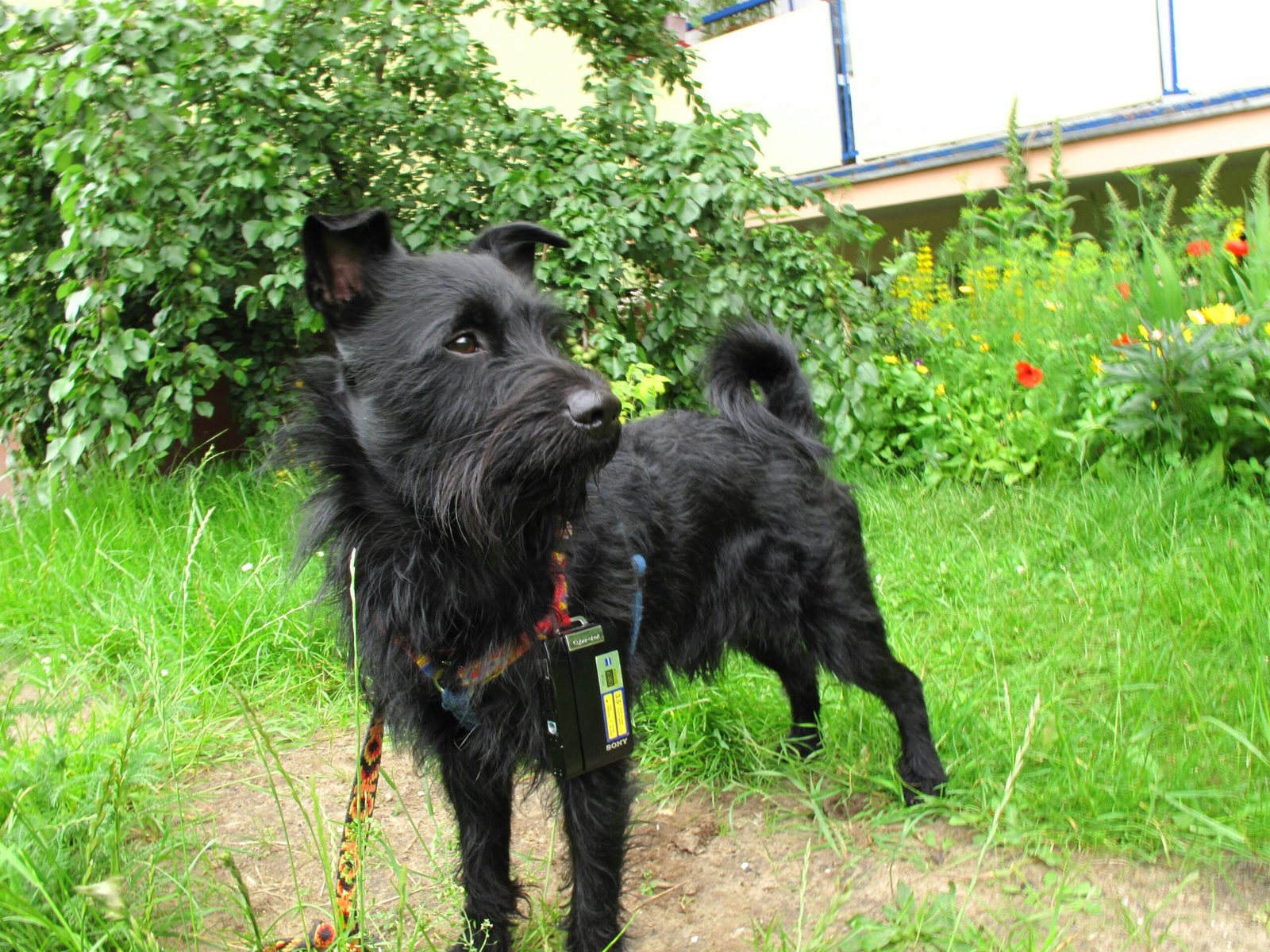
Dog GPS Tracker: How to Keep Your Pet Safe and Easy to Find – Dog GPS trackers are devices designed to provide real-time location information about pets, significantly enhancing the safety and security of dogs while allowing pet owners peace of mind. These trackers utilize Global Positioning System (GPS) technology, which communicates with satellites to obtain accurate location data. The data collected can then be transmitted to a smartphone or other device via cellular networks or Bluetooth, enabling owners to keep track of their pets from virtually anywhere.
There are various types of GPS trackers available in the market, catering to diverse needs and preferences. One popular type is the real-time tracking GPS, which allows pet owners to monitor their dog’s location continuously. This feature is particularly useful if a dog wanders away or gets lost, as owners can see their pet’s exact location on a map in real-time.
Another beneficial feature commonly found in dog GPS trackers is geofencing. This technology enables pet owners to set up virtual boundaries or zones; when the pet crosses these predefined limits, the owner receives an instant alert. This is especially valuable for those living in suburban or rural areas, where dogs might roam freely and potentially encounter dangers.
Additionally, some GPS trackers come equipped with activity monitoring features. These trackers can provide insights into a dog’s activity levels, such as how much exercise they get throughout the day. Such information can be pivotal for ensuring that pets remain healthy and active.
Compared to traditional identification methods, such as collars and tags, GPS trackers offer a higher level of security. They not only help in recovering lost pets but also provide continuous monitoring, which is crucial for ensuring a dog’s safety. By integrating modern technology into pet care, dog GPS trackers have revolutionized how owners can secure their pets, fostering greater peace of mind.
Choosing the Right GPS Tracker for Your Dog
When selecting a GPS tracker for your dog, it is crucial to consider various factors to find a device that meets your pet’s specific needs. Size and weight are essential elements, especially for smaller breeds. A bulky or heavy tracker may not be comfortable for them. Hence, look for compact and lightweight options that provide reliable tracking without hindering your dog’s movement.
Battery life is another critical factor to assess. Most GPS trackers run on rechargeable batteries, with varying lifespans depending on the model and usage. Choose a device that offers a long battery life to ensure uninterrupted tracking, especially if your dog spends a lot of time outdoors. Some devices come with energy-saving features that can optimize battery performance.
Subscription costs for GPS tracking services can vary significantly, so it’s wise to consider your budget when making a selection. Many tracking systems require a monthly or annual fee for access to premium features like real-time tracking, historical data, and emergency alerts. Investigate different pricing plans to find one that aligns with your needs.
Additional features such as health monitoring capabilities can provide valuable insights into your dog’s well-being. Many modern trackers offer statistics on activity levels, distances walked, and even health metrics, which can be beneficial in managing your pet’s health. Furthermore, opting for a waterproof rating is advisable, particularly for dogs that enjoy swimming or playing in wet conditions.
Before finalizing your choice, reading product reviews provides insight into real user experiences. Evaluate the compatibility of the GPS tracker with your mobile devices. Lastly, check the warranty terms and customer support provisions, as these can significantly enhance your experience with the product.
Popular Brands and Models of Dog GPS
With the growing need for pet safety and tracking solutions, several brands have emerged as leaders in the dog GPS tracker market. Each offers a variety of models with unique features tailored to different needs. Notable brands include Whistle, Fi, Tractive, and Garmin, each providing distinctive advantages that cater to pet owners’ diverse requirements.
The Whistle Go Explore is a popular choice among dog owners, known for its reliable GPS tracking capabilities. This device features a long battery life, health monitoring functionality, and real-time location updates. Users appreciate the ease-of-use and comprehensive data it provides about their dog’s activity levels and health metrics. However, some users have noted that the initial setup can be a bit complex.
Another leading contender is the Fi Smart Dog Collar, which boasts a robust design and an impressive battery life of up to three months. Its GPS tracking is complemented by a unique activity tracker and customizable light settings for visibility during night walks. Reviews highlight its durability and comfort fit for various dog breeds, though it comes at a premium price compared to other models.
Tractive GPS Tracker stands out for its affordability and ease of use. This device offers real-time location tracking with a subscription model that is generally less expensive than competitors. User feedback often praises its lightweight design, suitable even for small dogs. However, some users have expressed concerns regarding signal reliability in remote areas.
Last but not least, the Garmin Alpha 100 combines GPS tracking with training capabilities, catering to dog owners who require both functionalities. Though highly rated for its rugged design and multi-dog tracking capabilities, the device is on the pricier side and may be complex for the average user.
In conclusion, each brand and model discussed presents a range of features tailored to various pet owner needs. When selecting a dog GPS tracker, it’s crucial for pet owners to consider factors such as tracking accuracy, battery life, durability, and specific functionalities that enhance their experience and ensure their pet’s safety.
Best Practices for Using a GPS Tracker Effectively
Utilizing a GPS tracker for your dog can significantly enhance their safety and security. However, implementing best practices is essential in ensuring that the device functions effectively. One of the first steps in this process is proper setup. Begin by carefully reading the manufacturer’s instructions when setting up the GPS device. Ensure that it is charged and correctly secured to your dog’s collar. A well-fitted collar is crucial; it should be snug yet comfortable, allowing for movement without causing irritation.
While the GPS tracker serves as a vital tool for tracking your pet, it is equally important to consider your dog’s comfort. Dogs can be sensitive to unfamiliar objects on their collars, so gradually introducing the GPS device can help them adjust. Start by having them wear the tracker for brief periods indoors before shifting outdoors. Monitor their behavior to ensure they do not show signs of distress.
Understanding the limitations of GPS technology is also paramount. GPS trackers may not function optimally in dense urban areas or locations with substantial tree cover, which can lead to signal loss. Regularly check the device’s functionality and ensure that the software is updated to benefit from the latest features and improvements.
Creating a secure environment is crucial for your pet’s safety. Utilize geofencing features provided by most GPS trackers, which allow you to set designated safe zones. When your dog leaves this area, you will receive immediate alerts, enabling prompt action. Incorporate regular check-ins using the GPS app to track your pet’s location and remain vigilant. Additionally, training your dog to respond to commands when off-leash can enhance their safety when exploring in open areas. Teach them commands like ‘come’ or ‘stay’ to ensure they remain within a safe distance.
This content is sponsored by https://www.ez96live.com/.